 Metal Spinning
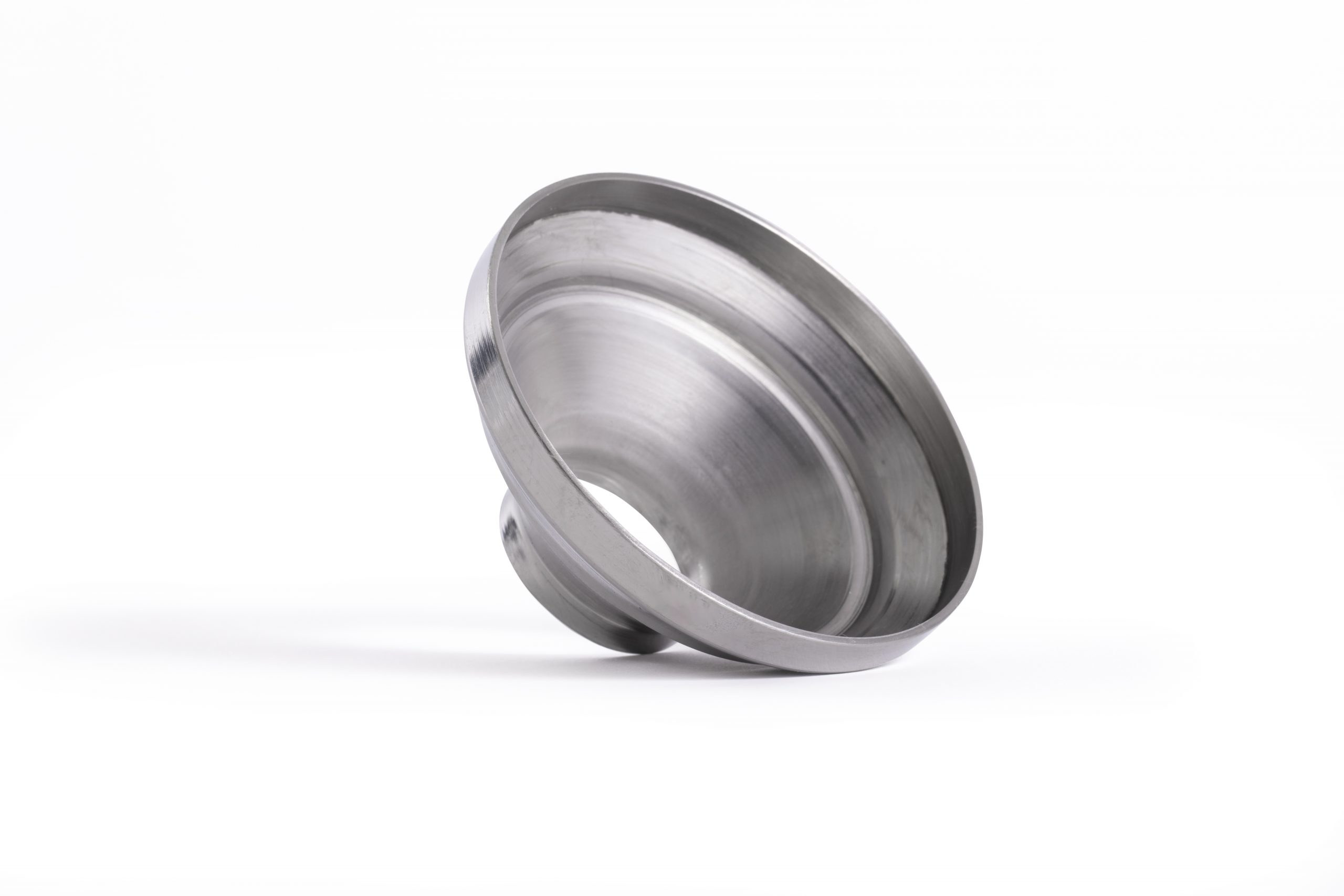 Bespoke Metal Spinning
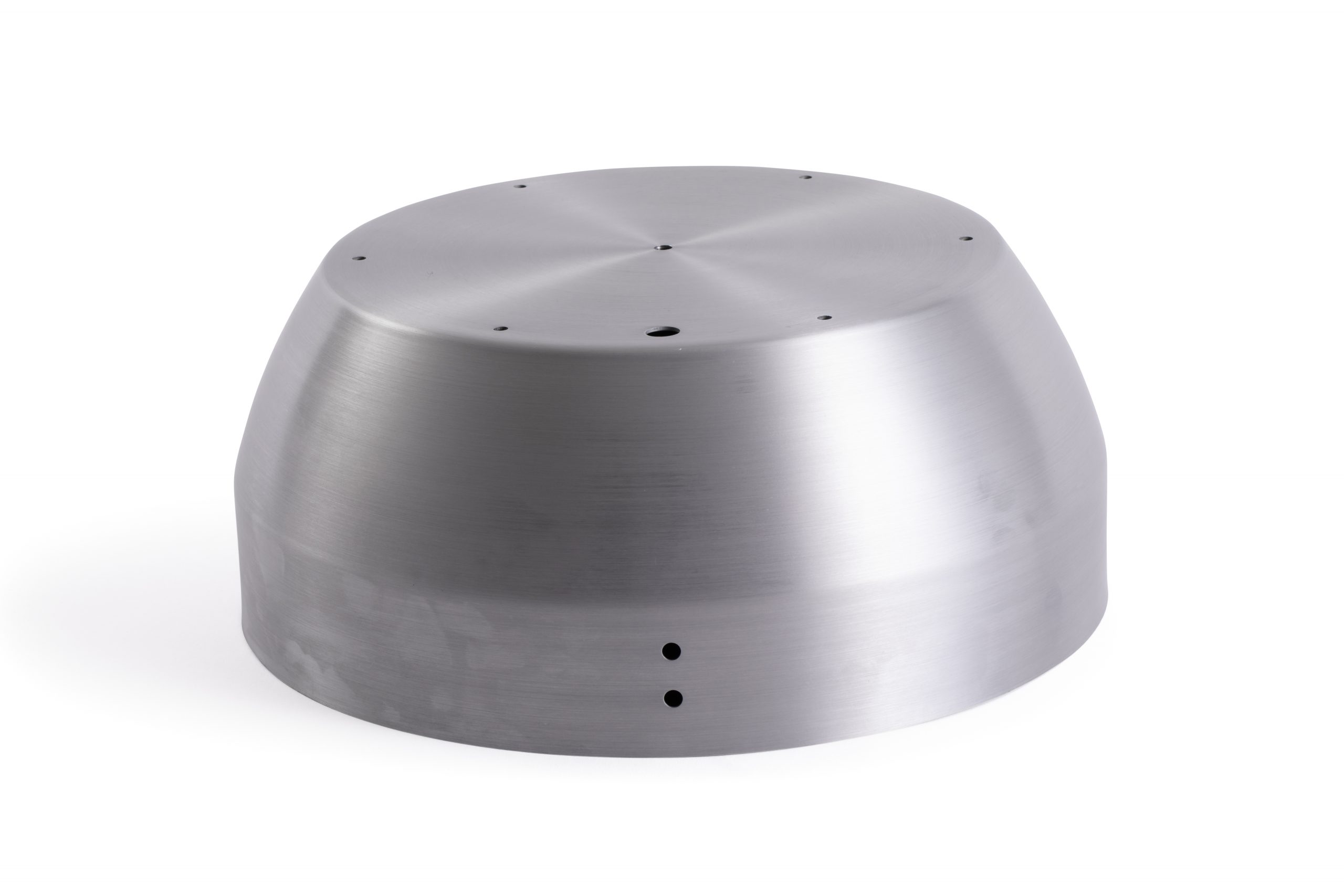 Metal Polishing
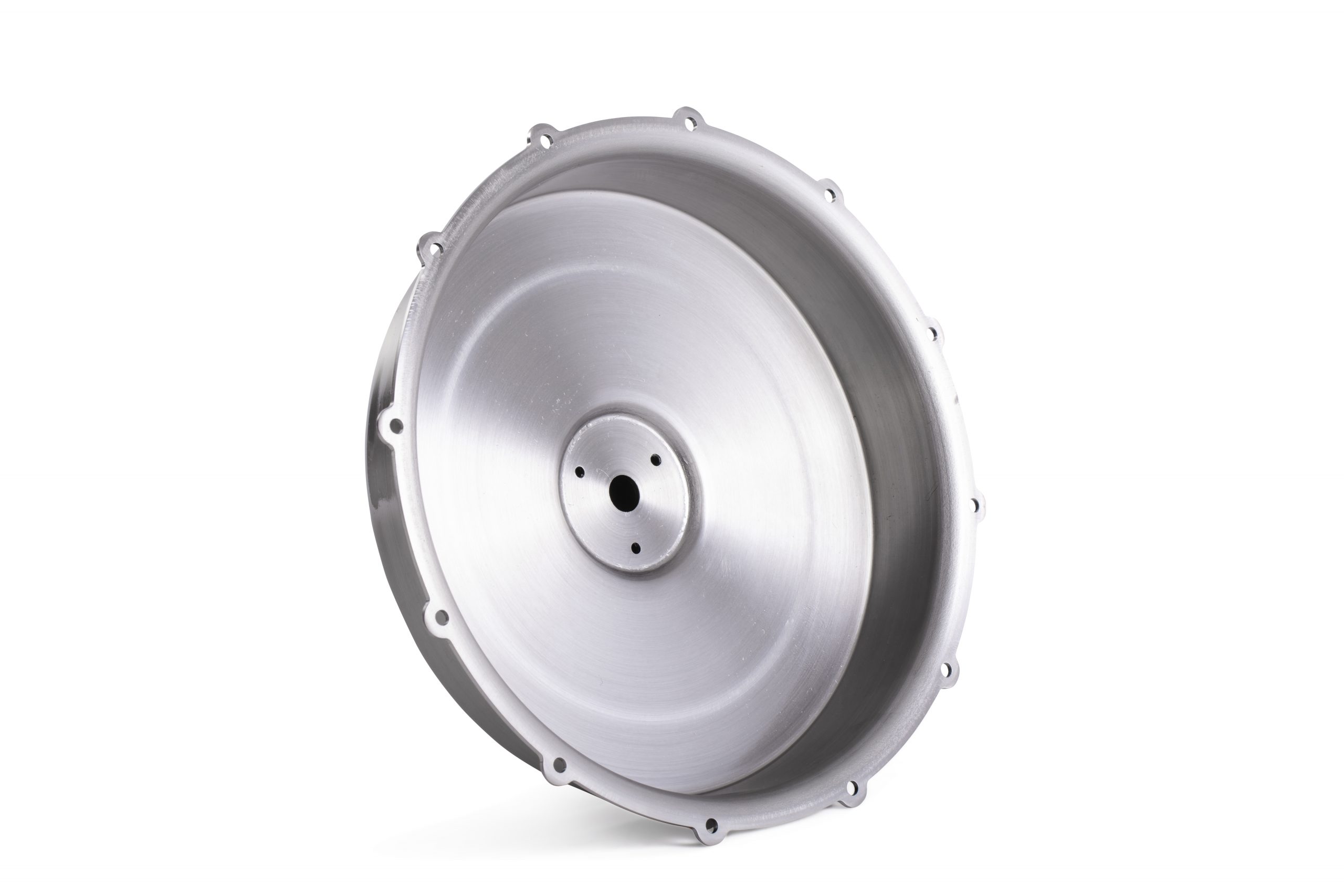 Machining
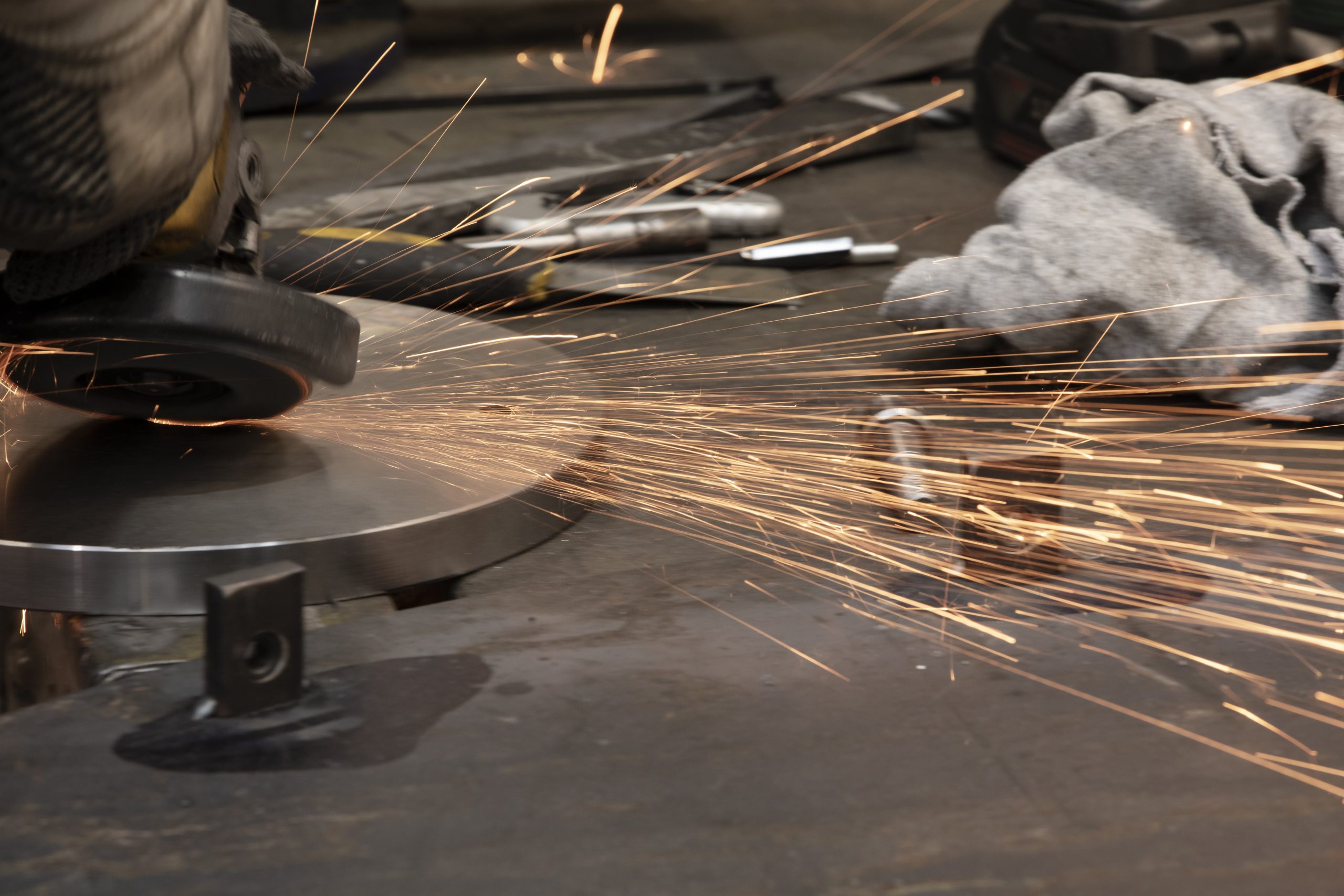 Metal Pressing
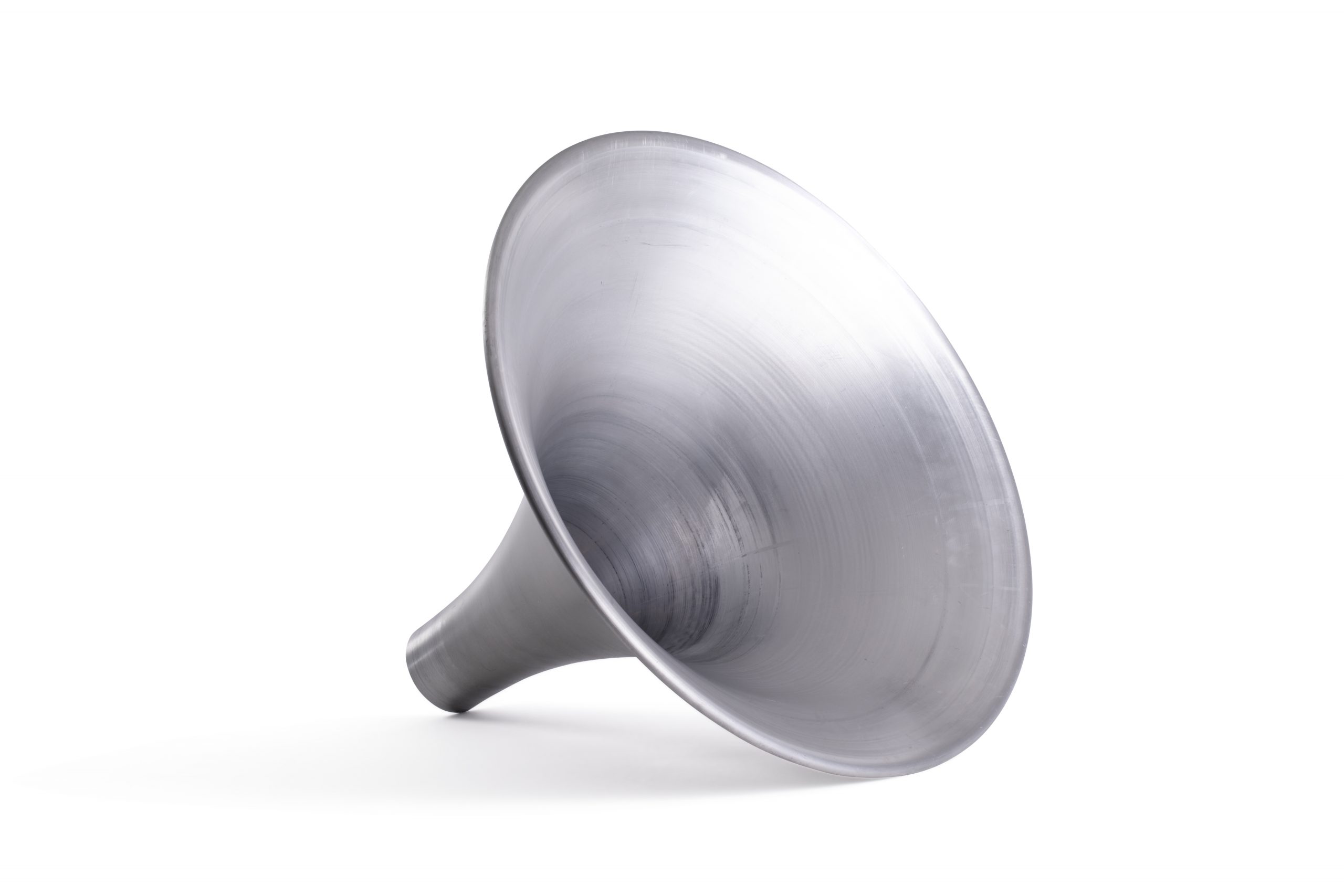 Metal Swaging
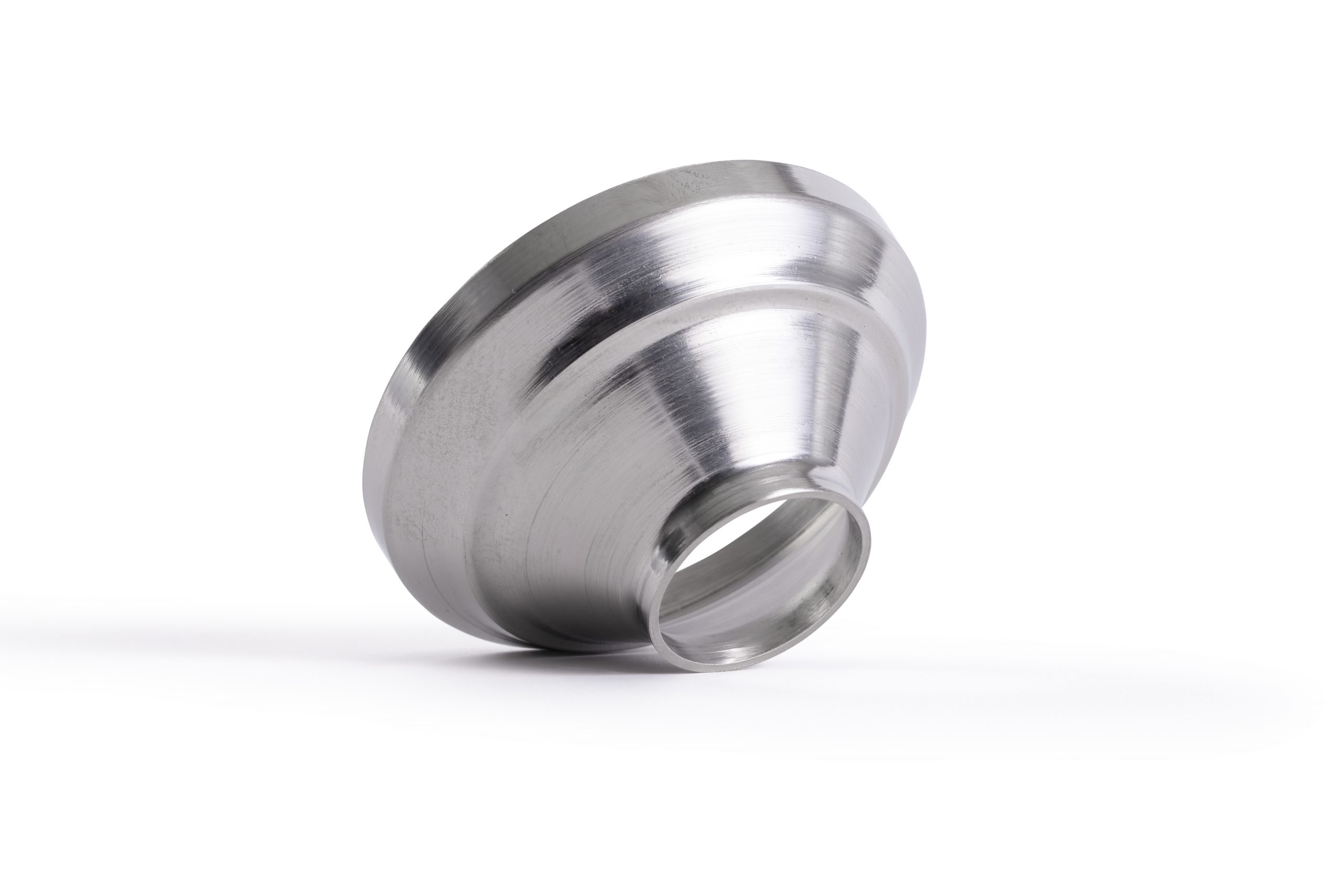 Metal Fabrication & Welding
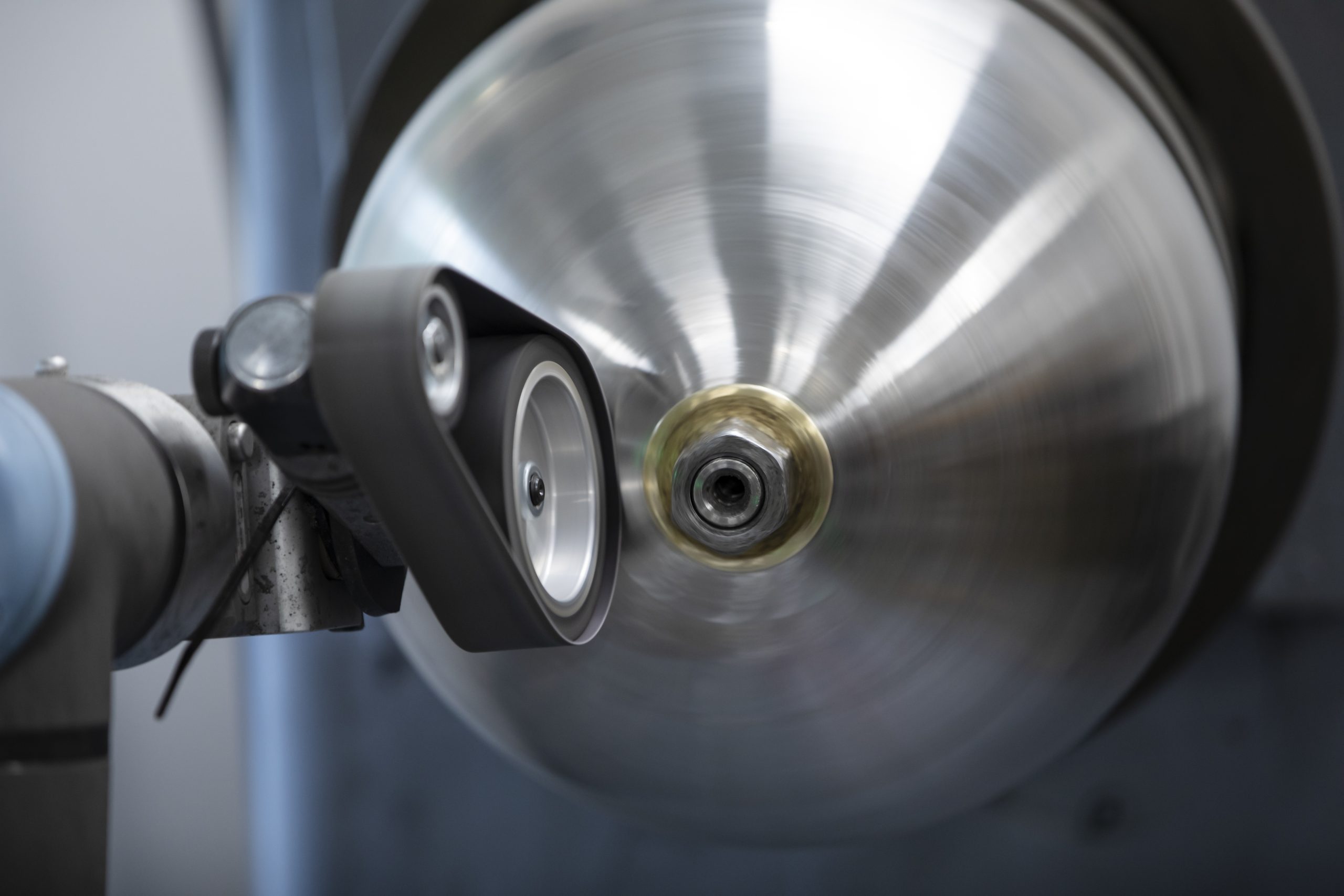 Precision Engineering
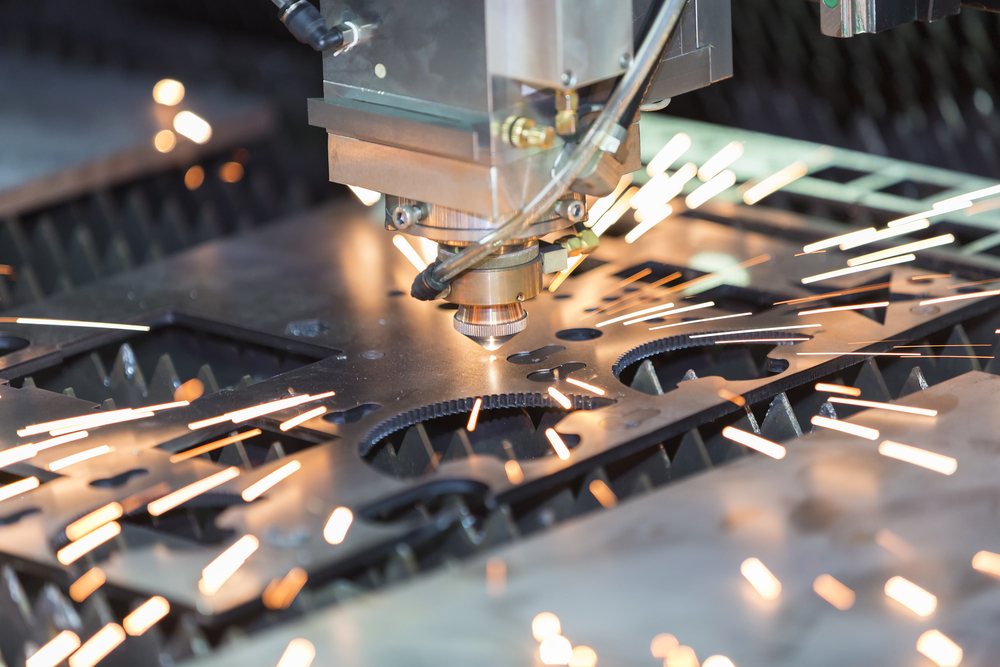 Laser Cutting
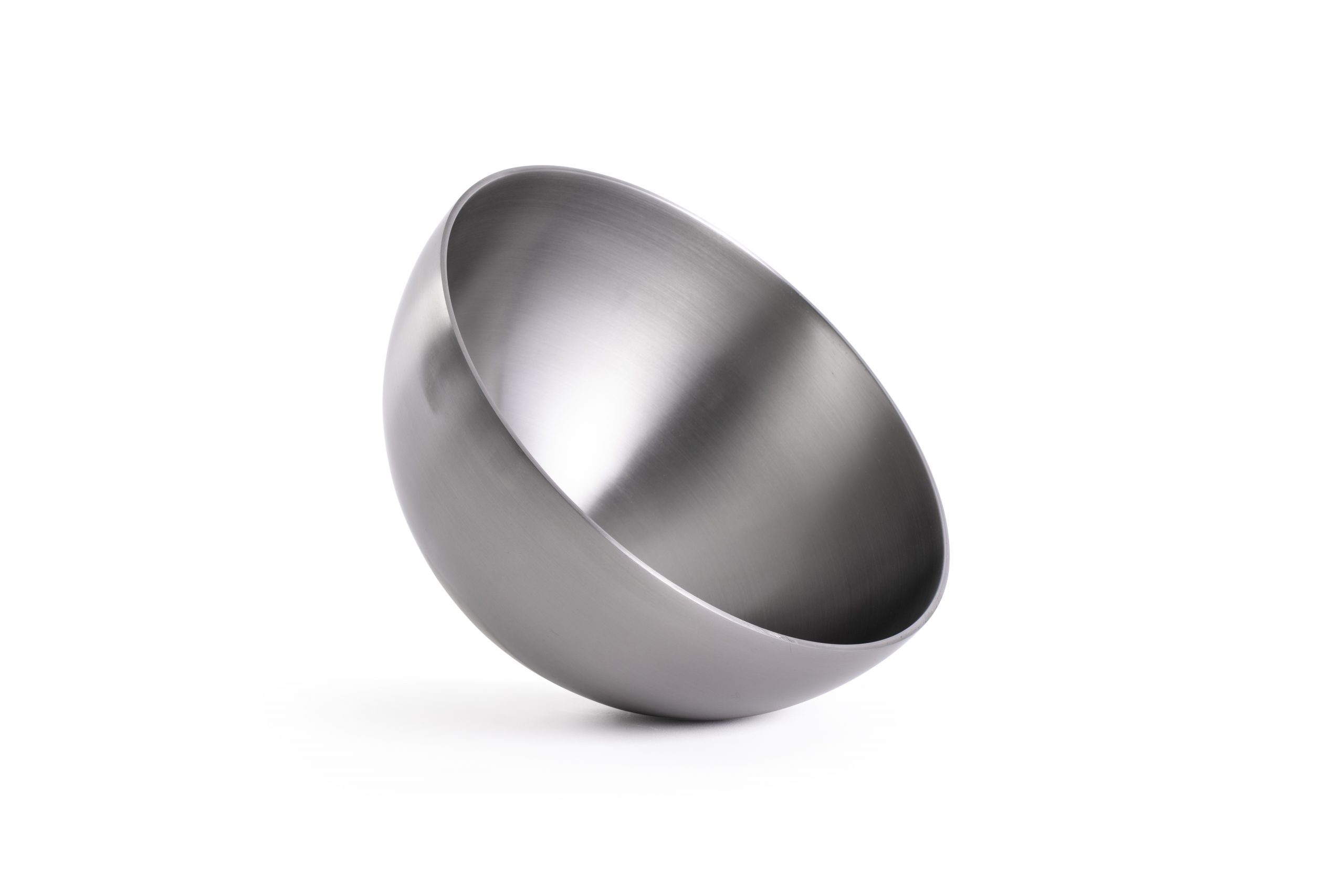 Inspection and Quality
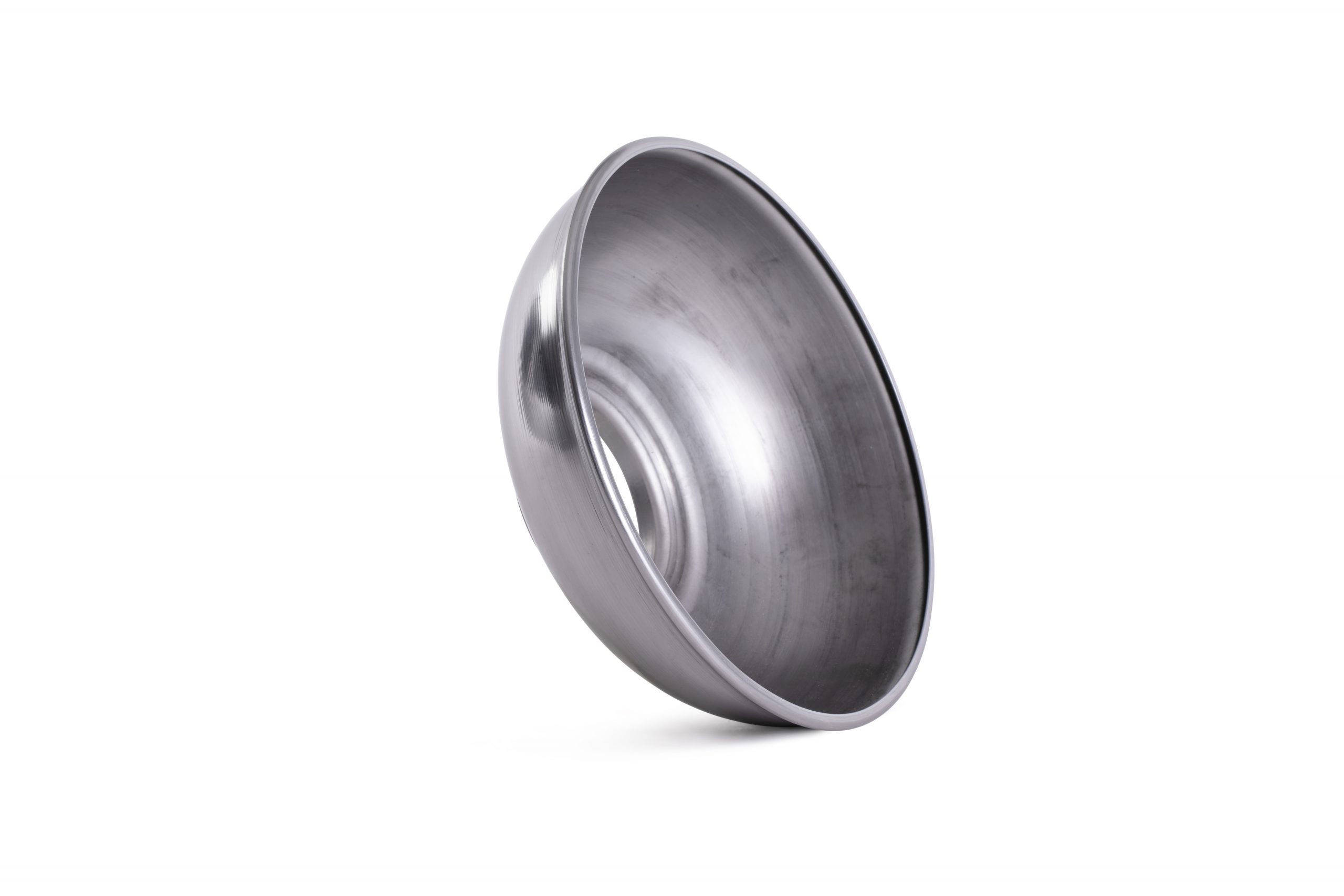 Anodising, Electropolishing and Pickling & Passivating
 Agriculture
 Automotive
 Air Movement
 Food Industry
 Marine
 Medical and Cryogenic
 Playground
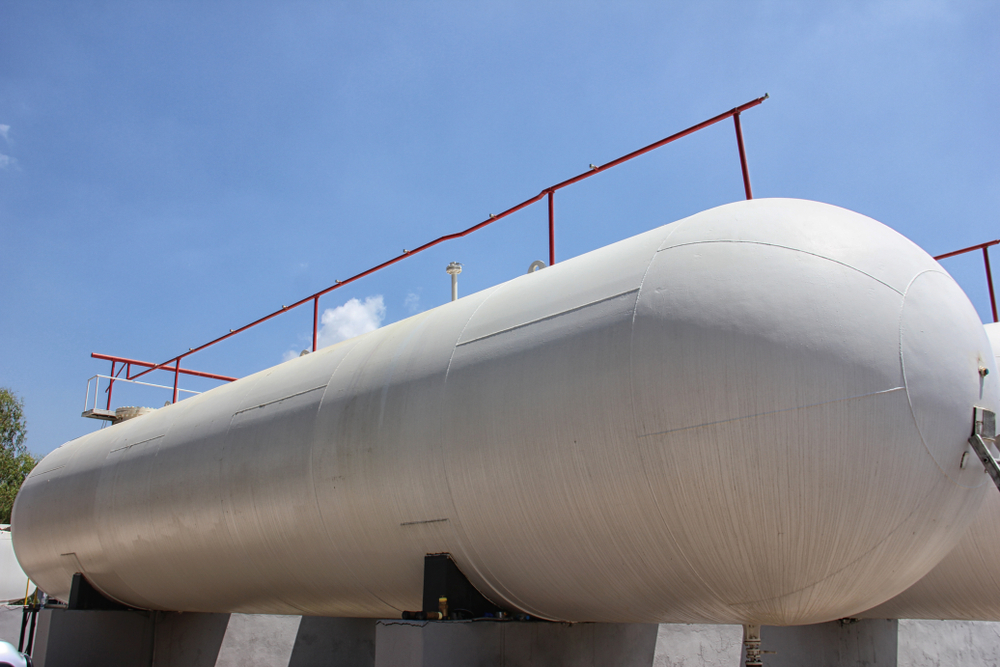 Pressure Vessels
 Renewable Energy
 Safety
CNC Metal Spinning for Precision Components: How Automation Delivers Repeatability, Speed and Lower Tooling Costs
< Blogs < CNC Metal Spinning for Precision Components: How Automation Delivers Repeatability, Speed and Lower Tooling Costs
Metal spinning has long been valued for forming axially symmetrical parts from a disc or preform with little waste. What has changed in recent decades is how that process is controlled. Manual skill still has a place, but CNC metal spinning now dominates production work where consistency, tighter tolerances and repeatable quality matter.
Tanfield Metal Spinners has specialised in metal forming since 1984 and operates fully automated spinning capacity alongside a large UK tooling stock. This guide explains how CNC spinning works, when it is the right choice, and how it fits with pressing, polishing and other in-house operations.
What CNC Metal Spinning Actually Does
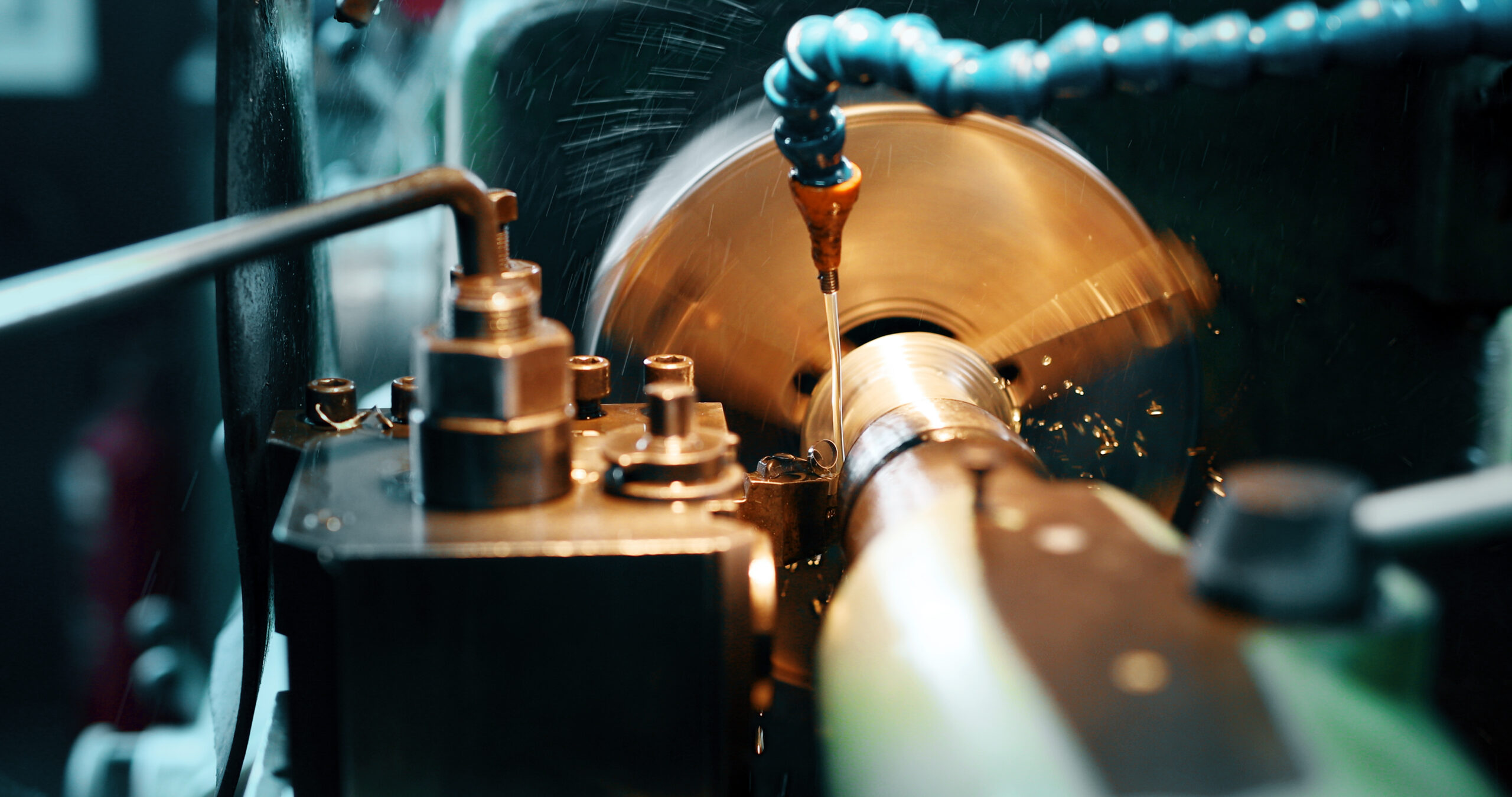
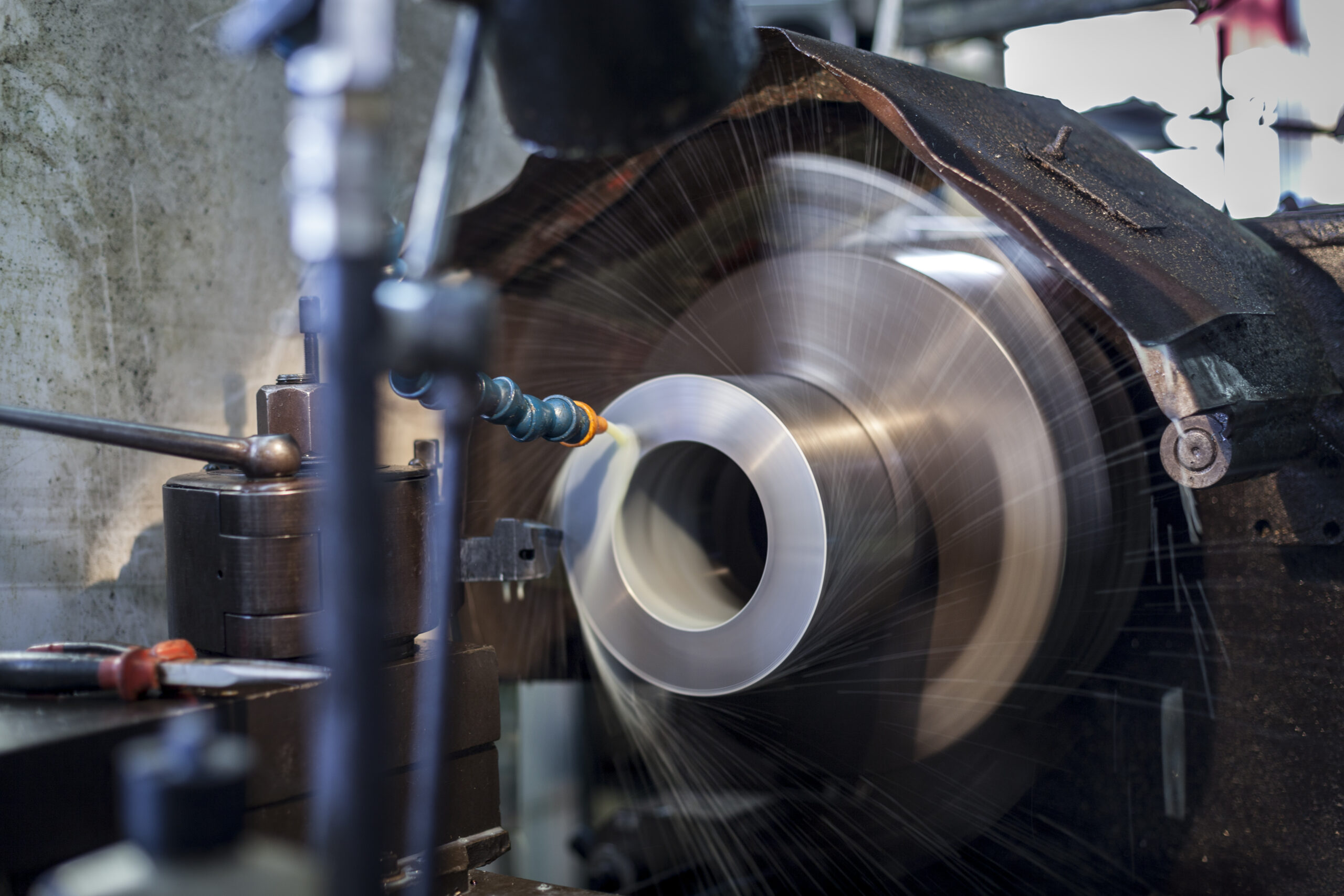
In metal spinning, a flat blank or preform is clamped against a rotating mandrel. A roller then progressively forms the metal over that mandrel. Unlike machining, material is not cut away; it is displaced and work-hardened into shape.
CNC metal spinning replaces purely manual tool paths with programmed roller movements. Computer Numerical Control stores the forming sequence so every subsequent part follows the same path. Playback Numerical Control (PNC) sits between the two: a skilled first-off can be recorded and then replayed automatically. Tanfield uses both CNC and PNC in its machining centres to form spun parts efficiently.
The result is a process that still offers the classic advantages of spinning—low waste, relatively low tooling cost, and suitability for cones, cylinders, dished ends and complex profiles—while adding the repeatability modern manufacturers expect.
Why Manufacturers Move from Manual to CNC Spinning
Manual spinning remains useful for one-offs and very early development. For production, CNC spinning typically wins on four points.
Repeatability
Once the programme is proven, dimensional variation between parts is tightly controlled. That matters for assemblies, sealing faces and parts that must interchange.
Speed on repeat work
Automated cycles reduce operator-dependent variation and support more predictable throughput. Combined with a large standard tooling range, this shortens the path from approved sample to batch.
Tighter process control
CNC paths can be refined for wall thickness, surface condition and forming sequence. That is especially useful on stainless steel, aluminium and other alloys where spring-back and thinning must be managed.
Lower risk on medium-to-high volume
Tooling is still usually far cheaper than equivalent press tools. Automation then spreads that investment across more parts without sacrificing consistency.
These benefits sit alongside Tanfield’s core spinning capability: work quoted up to a radius of 2.4 metres and 10 mm thick, with partnerships available beyond that range. Full process details are on the Metal Spinning page.
Typical Parts Produced by CNC Metal Spinning
CNC spinning is well suited to rotationally symmetrical components such as:
- Dished ends and tank heads
- Pressure vessel caps and closures
- Cones, reducers and transitions
- Lighting reflectors and housings
- Ventilation and HVAC components
- Architectural and industrial covers
- Automotive and renewable-energy formed parts
Sector examples include metal spinning for renewable energy applications (tank tops and bottoms, pressure-vessel caps, bases and stands) and automotive metal spinning (hub-related parts, guide tubes, shock-absorber bodies and custom formed components).
Because spinning starts from a blank rather than a fully machined billet, material utilisation is high. That supports both cost control and lighter finished parts when design allows.
Materials and Thickness Range
Tanfield spins a wide range of metals, including aluminium, brass, carbon steel, copper, Corten, duplex, stainless steel, titanium and specialist alloys such as Inconel and Hastelloy. Harder or more exotic grades may require annealing stages to remain formable.
Thickness capability up to 10 mm (within the stated diameter envelope) covers a large share of industrial spinning work. The right combination of material, blank size, mandrel design and CNC path determines whether a part can be spun in one sequence or needs intermediate operations.
A practical materials list and process FAQs are available on the FAQs page.
Tooling: Why a Large Standard Stock Changes the Economics
One of spinning’s commercial strengths is tooling cost. Mandrels and form tools are typically simpler and cheaper than full press-tool sets, especially for prototypes and mid-volume runs.
Tanfield holds what it describes as the largest standard tooling stock for metal spinning in the UK, with ongoing yearly investment. When a project can use existing tools, lead time and non-recurring cost drop. When new tooling is required, the team looks for the most cost-effective route rather than defaulting to the most expensive option.
This is one reason spinning is often preferred when designs may still change, or when volumes do not justify dedicated press tooling.
How CNC Spinning Fits with Other In-House Processes
Few components leave as a raw spinning. Many need pressing, machining, fabrication or finishing. Tanfield’s 35,000 sq-ft facility combines spinning with:
- Metal pressing on hydraulic presses up to 350 tons
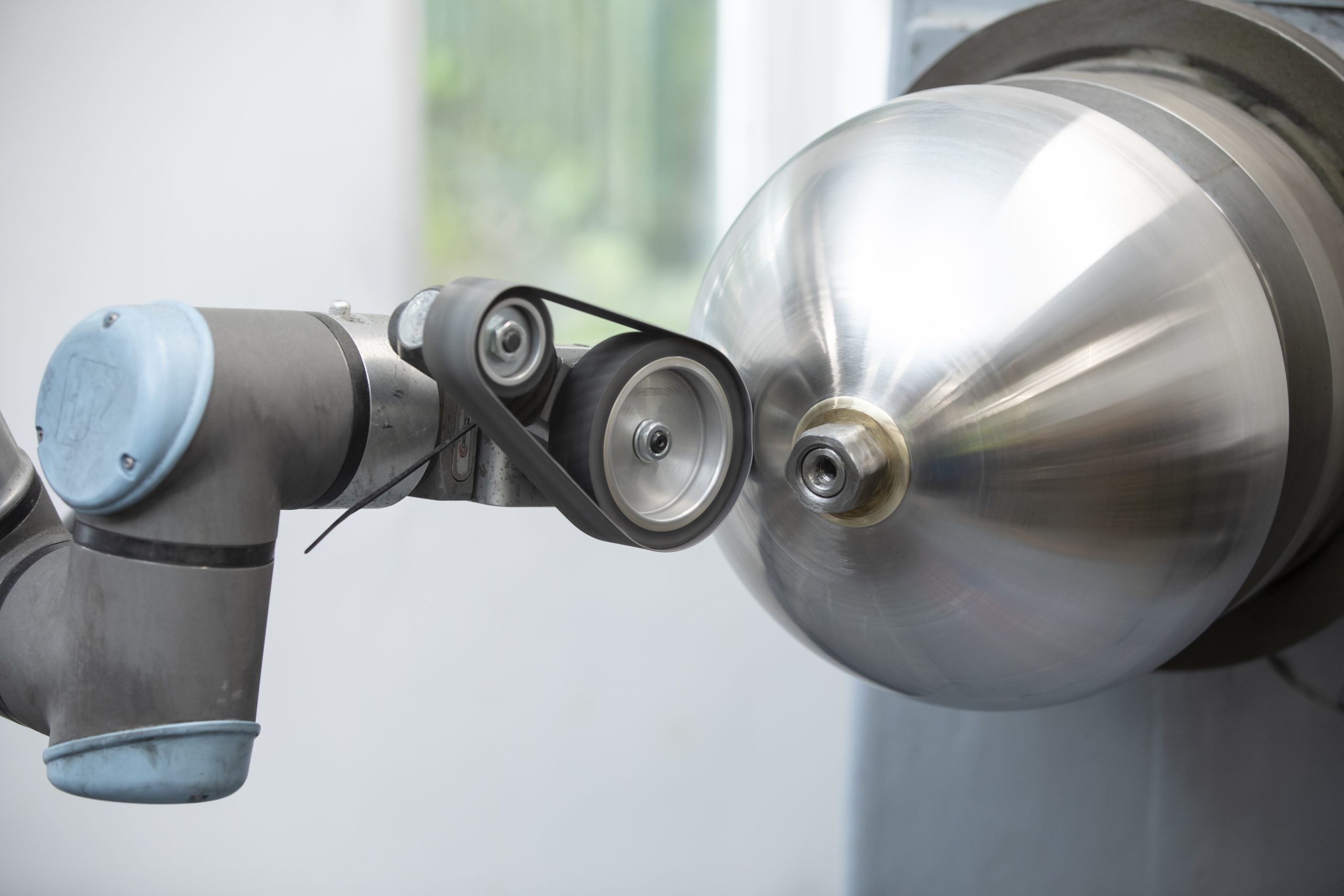
- Metal polishing, including automated polishing
- Inspection, certification and documentation with deliveries
Keeping forming and finishing under one UK roof reduces transport, shortens the supply chain and makes it easier to control quality from blank to finished part. That matters when a dished end must also meet a specified surface finish, or when a pressed feature has to sit accurately on a spun body.
Quality, Traceability and Lead Times
Industrial customers usually need more than a formed shape. They need consistent inspection, material certification and predictable delivery. Tanfield’s customer commitments include aiming to respond to quote requests within 24 hours, acknowledging orders with expected dates, and supplying delivery notes, certificates of conformity, material certs and inspection reports. Standard lead times are typically targeted at 3–4 weeks where tooling already exists; new tooling can extend that.
The company is a 100% made-in-Great-Britain manufacturer. For many OEMs that is now a supply-chain and ESG consideration as well as a practical one.
When CNC Spinning Is Not the Best First Choice
Honest process selection matters. CNC spinning is not automatically the answer for every cylindrical part.
- Very long, thin-walled tubes with aggressive wall reduction and extreme strength-to-weight targets may suit flow forming instead.
- Non-round or highly irregular geometries may need fabrication, pressing or machining.
- Very high volumes of simple shapes can still favour dedicated press tools once volumes justify the investment.
A drawing review is the fastest way to decide. Tanfield’s technical team can produce a drawing from a concept at quotation stage at no additional cost, for sign-off before order. Company background and approach are outlined on the About Us page.
Practical Decision Checklist for Engineers and Buyers
Before specifying CNC spinning, consider:
- Is the part axially symmetrical (or nearly so)?
- Can it start from a disc or simple preform?
- What diameter and thickness are required (within ~2.4 m radius / 10 mm as a first filter)?
- How tight are tolerances and surface-finish needs?
- What is the likely volume and how often might the design change?
- Which material and any heat-treatment or certification requirements apply?
- Which secondary operations (pressing, machining, polish, weld) will follow?
Answering those questions early usually shows whether spinning, pressing, a hybrid route, or another process is the better commercial choice.
From Enquiry to Production
A typical path with Tanfield is:
- Submit drawings or a concept
- Receive process advice and a quotation (majority of quotes targeted within 24 hours)
- Sign off tooling/drawing if needed
- First-off / sample approval
- Production on CNC or PNC spinning equipment
- Finishing, inspection and documented delivery
Because so much standard tooling already exists, many projects avoid a long tooling-design phase. That is one of the reasons spinning remains competitive against processes that look cheaper only on paper.
Why UK CNC Spinning Still Wins for Many Programmes
Importing formed parts can appear attractive until freight, currency, communication lag and quality recovery are included. A UK specialist with automated spinning, large tooling stock and in-house finishing gives a shorter loop from design change to next batch. For renewable energy, automotive, pressure equipment, lighting and general engineering, that loop often matters more than a small difference in piece price.
Tanfield’s combination of CNC/PNC spinning, pressing and polishing is built for that kind of work—not as a catalogue of isolated processes, but as a single manufacturing route.
Next Step
If you have a tubular, conical or dished component that is currently machined, fabricated or imported, it is worth checking whether CNC metal spinning can cut waste, tooling cost or lead time. Visit metal-spinners.com or speak to the team with a drawing or sketch. A no-obligation review will quickly show whether automated spinning is the right process—or whether pressing, finishing or a combined route is the better fit.
< Blogs < CNC Metal Spinning for Precision Components: How Automation Delivers Repeatability, Speed and Lower Tooling Costs
More Blogs